Article
Entry
0
15
Apr 23, 2026
A recent trend that I've noticed is the sheer amount of heads of states engaging in an attempt at diplomacy via twitter. Actually, I have been seeing quite a number of statesmen turn to social media as of late in support or opposition.
Not a new phenomenon, but since COVID, there has been a rise. We get to see them bare, unglamorized, uncleansed. It is a different experience than the one we were raised on.
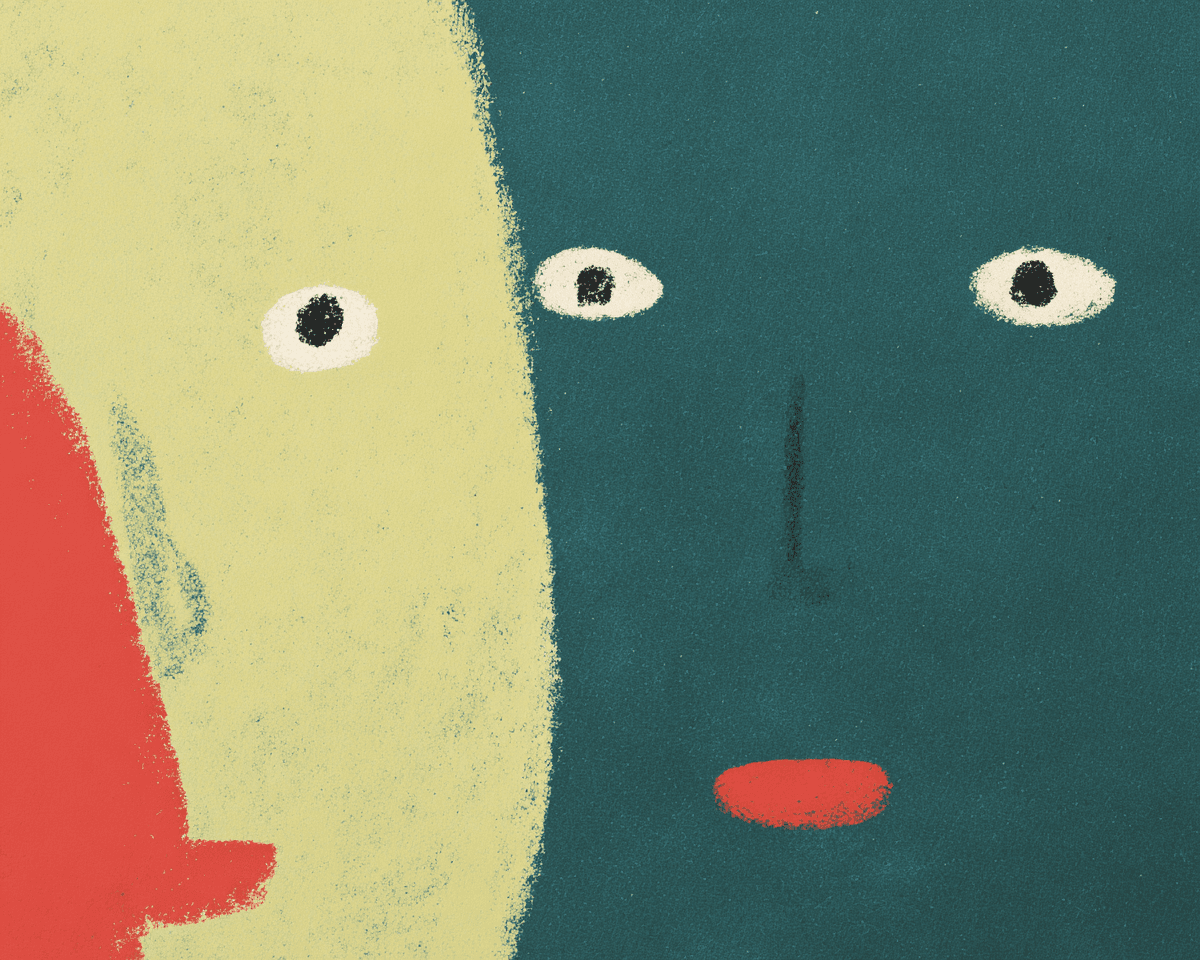
Though seemingly insignificant, it's important to realise that ours is the first generation to be so up-close-and-personal with the inner workings of our state. Not because the generations before us refused the view, but because the glasses through which they saw their leaders were, by the shape of their era, more forgiving than ours. Frame by frame, post by post, those glasses have thinned. Most of us came of age after they were already gone.
I grew up with leaders who existed in the sterile and carefully-produced evening news. A statesman, a suit, a podium, photographed from the angle that made them look worthy of the history books. You never saw them yawn. Never a bad word. You did not see them read a statement from a teleprompter with the slight yet devastating panic of a person who had not read it before. You did not see them tweet, banter about, or mutter. There was an expectation of the performance. That is diplomacy after all.
So what do we do now that the performance is over, and no one has told us what comes next?
What the old posture was holding in place was not competence. In reality, competence never needed the posture. What it held in place was a collective agreement: we would lean into the ceremony as long as the statesman played along. This is the quiet truth of office. The suit has always been heavier than the man. The podium always heavier than the suit. A nation almost requires such a load-bearing weight just as a tired body requires a doorframe.
But what happens when, suddenly, the doorframe jolts? When the shared fiction we had quietly agreed to reveals itself? Naked and bare, in all its insecurity.
What follows is harrowing. It is a reckoning of something that was not quite belief but functioned like belief. Not a full endorsement of the state, not a reasoned defense of its policy, but a willingness to assume that someone, somewhere, was in charge of something. That assumption was more fragile than anyone realised, and the shift from formal address to informal post revealed how much the assumption had been resting on form rather than substance.
What replaces it, for many of us, is not cynicism. Cynicism would be too clean. It is closer to the feeling one has for a parent whose private fears one has accidentally witnessed. You do not stop loving them. You love them with a different texture. You become the one who carries a knowledge they did not necessarily mean to share.
To be patriotic now is to love a country whose machinery you have seen working. Whose operators you have watched scroll, and type, and pause mid-thought. Whose ordinary human moments you have absorbed into your sense of the place. This is a different kind of patriotism than the one we were raised on. Perhaps more demanding, perhaps more ordinary, certainly more honest about what a country has always been.
Perhaps there's something honest about that. An honesty worth admiring, at least.
And perhaps nations need honesty. Perhaps the stage curtain falling, and us seeing the bareness of the performance, allows us to root our sense of patriotism in the inheritance. The languages, the meals with family, the kindnesses that will outlast the performance.
Perhaps this is our chance to reclaim those details for ourselves.
K.A. Nortey, combines a global perspective with introspective thinking. Passionate about storytelling, he aspires to aid in the cultivation of thought-provoking ideas which inspires readers to engage deeply with the world and her perspectives.
Discover More
World's, Apart
written by
K.A. Nortey

On the Death of a Myth: A Eulogy for the American Idea
written by
K.A. Nortey
When You Are the Migration They Fear: Writing from the Inside of the Debate
written by
Aileen Waitaaga Kimuhu

The Nigerian Protests: An Exercise in Futility
written by
Yewande
What the UK Riots Meant To Me
written by
Eljae

Performing Belonging: The Diasporic Paradox of Cultural Diversity Week
written by
Aileen Waitaaga Kimuhu