Article
Entry
0
14
Apr 22, 2026
There was a harrowing thought I stumbled upon the other day, and I fear I may never know life as I did before.
Living abroad, we miss quite a number of life's phenomena: birthdays, engagements, the pile of WhatsApp messages we always mean to tend to. But these pale against a quieter realization — that for my entire life, I have watched my parents age from a distance.
The realization bit harder than I can put into words. My memories all built from minor fragments of three-week vacations, occasional family trips, and hurried shuttles to visit relatives scattered across the map. The laughs, smiles, and a collection of "I'll miss you's".
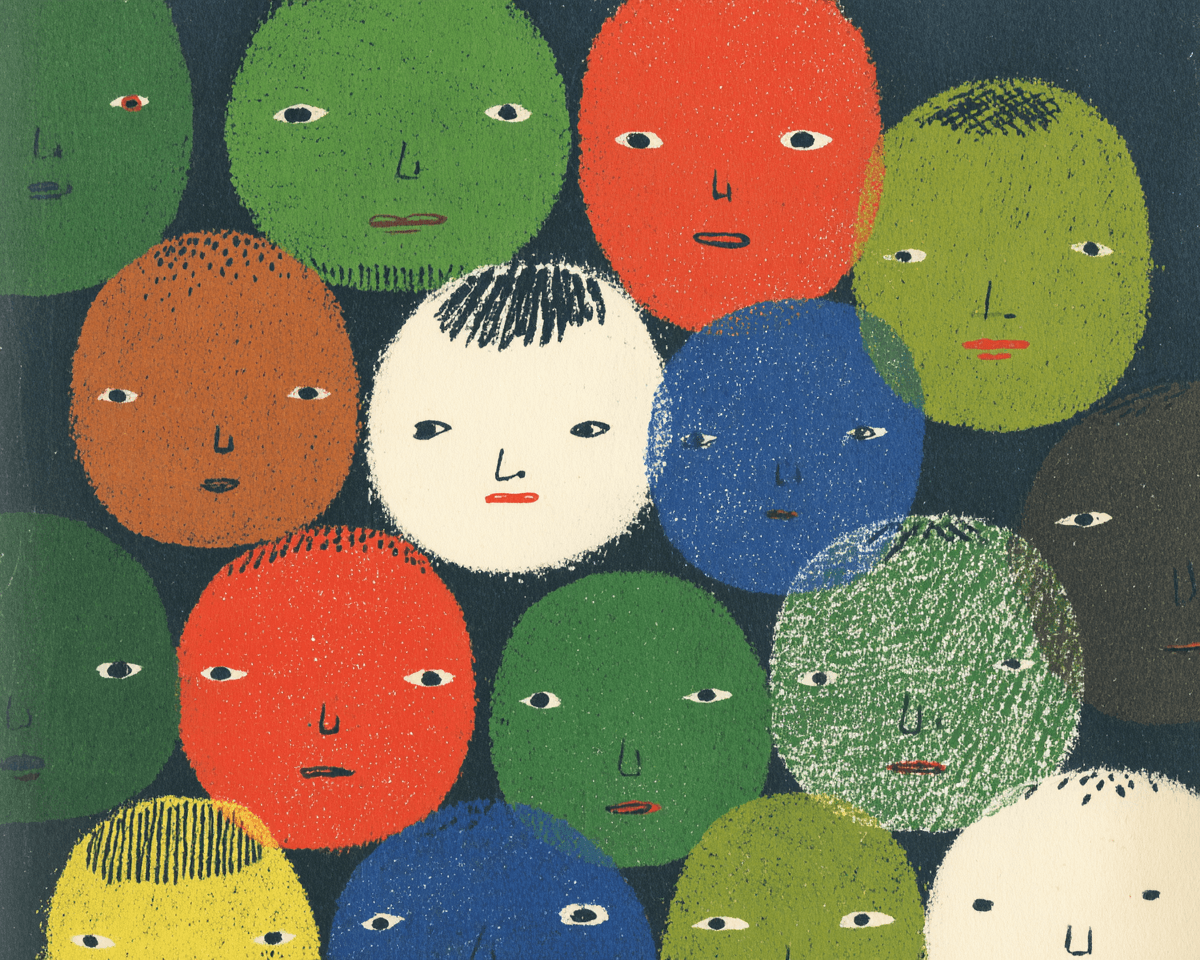
I find myself extra present in these moments. Taking the time to capture mental photographs to file into the rolodex. A treasure trove of still frames, never the motion. The uncle who once lifted you clean off the ground, suddenly a man who sits down slowly and rises with a slight grunt. A cousin you spent all your youthful days with, now an adult stranger standing in front of you. You did not watch him get there. You simply arrived, and there he was, already arrived himself.
Its as though you inherit people in instalments. Meeting slightly different versions of them each time, each asking you to quietly update the person you had been holding in your mind. You revise your mother every two years. You revise your grandfather until, one visit, he is not there to revise — a story I knew too well at a young age.
Ours is a stranger grief. We were not there for the passing, so we cannot mourn it in the usual way. What we mourn is the gap. The uncatalogued years. The grandmother who existed only at Christmas, while we were on the other side of the world being someone else's child in someone else's city.
And then there is the other half of it. The half no one warns you about.
We mourn a loss. They mourn a different one. For if we feel this strange grief, they must too. To them, we are also a rolodex of stills. The child who left. The teenager who came back taller and quieter. The adult who arrived one Christmas speaking with an accent they did not recognise, laughing at jokes in a language they never learned. They, too, are updating. They, too, carry a quiet grief about the versions of us they never got to hold.
The distance, then, is not only a loss. It is a negotiation. One conducted in silence, across oceans, between people who love each other in the strange economy of the infrequent visit.
Perhaps this is the inheritance of our kind. Not the missed moments, but the attention and patience we have learnt to give. The way we study our mother's hands over dinner, knowing, in a way our cousins who stayed do not, that hands move when we are not looking. The way we listen a little longer to our father's stories, not because they are new, but because we are learning the voice before the next gap begins.
There is a discipline in it. A way of loving people on a delay that becomes, with practice, its own form of devotion.
We are archivists of our own families. Stewards of a relationship that only ever exists in pieces. The work is not to close the distance, because the distance cannot be closed. The work is to honour what the distance produces: a reverence for the ordinary face, a refusal to waste the three weeks, a kind of seeing that those who never left will never quite need to develop.
Three weeks is what we have. And three weeks, studied closely enough, can hold a lifetime.
K.A. Nortey, combines a global perspective with introspective thinking. Passionate about storytelling, he aspires to aid in the cultivation of thought-provoking ideas which inspires readers to engage deeply with the world and her perspectives.
Discover More

On the Death of a Myth: A Eulogy for the American Idea
written by
K.A. Nortey
When You Are the Migration They Fear: Writing from the Inside of the Debate
written by
Aileen Waitaaga Kimuhu
From the Global South to the Tory Frontbench: A Perspective on Kemi’s Narrative
written by
Aileen Waitaaga Kimuhu
Performing Belonging: The Diasporic Paradox of Cultural Diversity Week
written by
Aileen Waitaaga Kimuhu
What the UK Riots Meant To Me
written by
Eljae
The Nigerian Protests: An Exercise in Futility
written by
Yewande